IAM Governance Provider
IAM Governance Services
Stop access sprawl before it becomes a security risk. Gain full control over identities, permissions, and compliance with governance systems built to reduce exposure and simplify enterprise access at scale.
The Challenge
Access governance built for operational control
Disconnected identity and access management tools, inconsistent user access controls, and manual reviews create operational drag, audit friction, and growing identity security gaps across workforce and cloud environments.
Access reviews stall
Access certification cycles rely on fragmented identity governance data, making user access reviews slow, inconsistent, and difficult to validate.
Permissions keep stacking
Role-based access control drifts over time as temporary access privileges become permanent across modern IAM and workforce identity systems.
Non-human identities spread
Machine identities, API access management, and service credentials expand faster than identity management teams can track or govern securely.
Conditional access conflicts
Conditional access policies often collide across identity platforms, creating inconsistent authentication and access behaviour between systems.
User lifecycle gaps
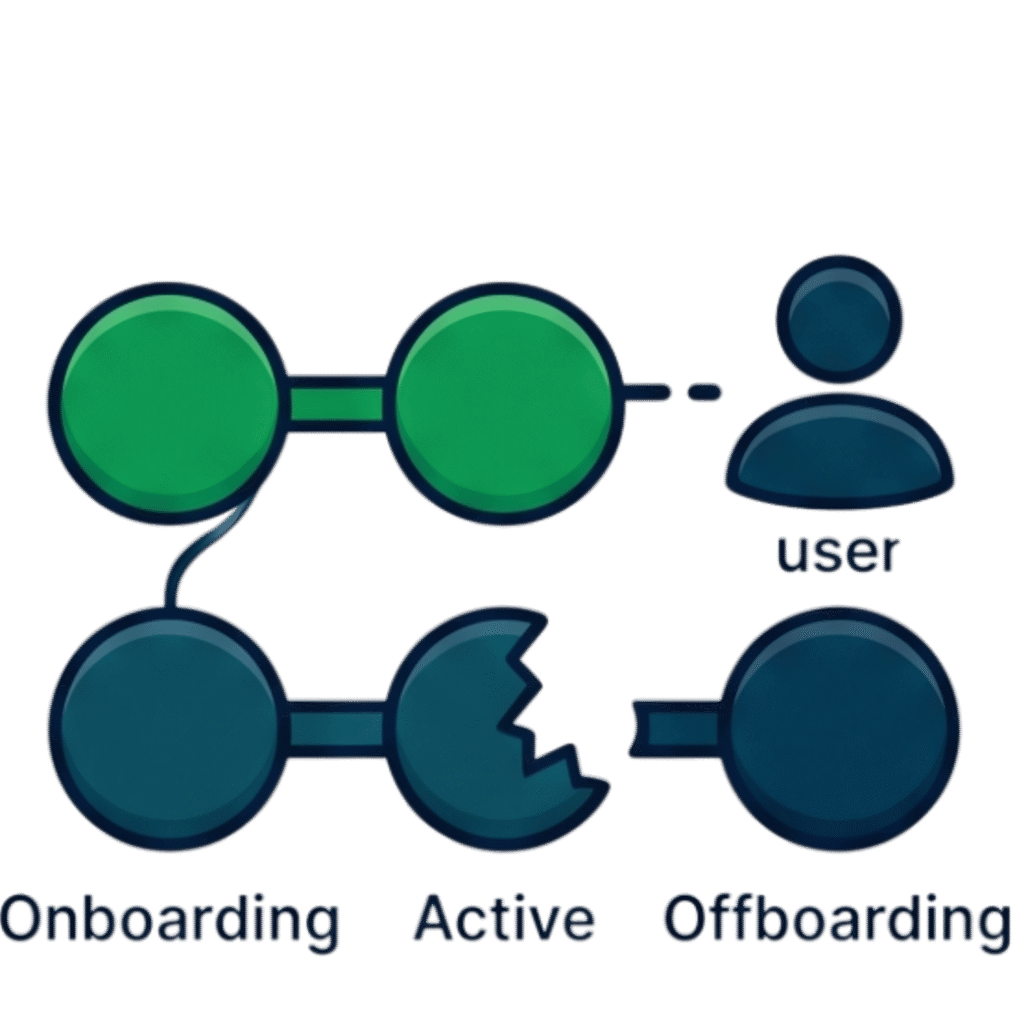
Identity lifecycle management breaks down during onboarding, role changes, and offboarding, leaving outdated user identities active for months.
Identity data fragments
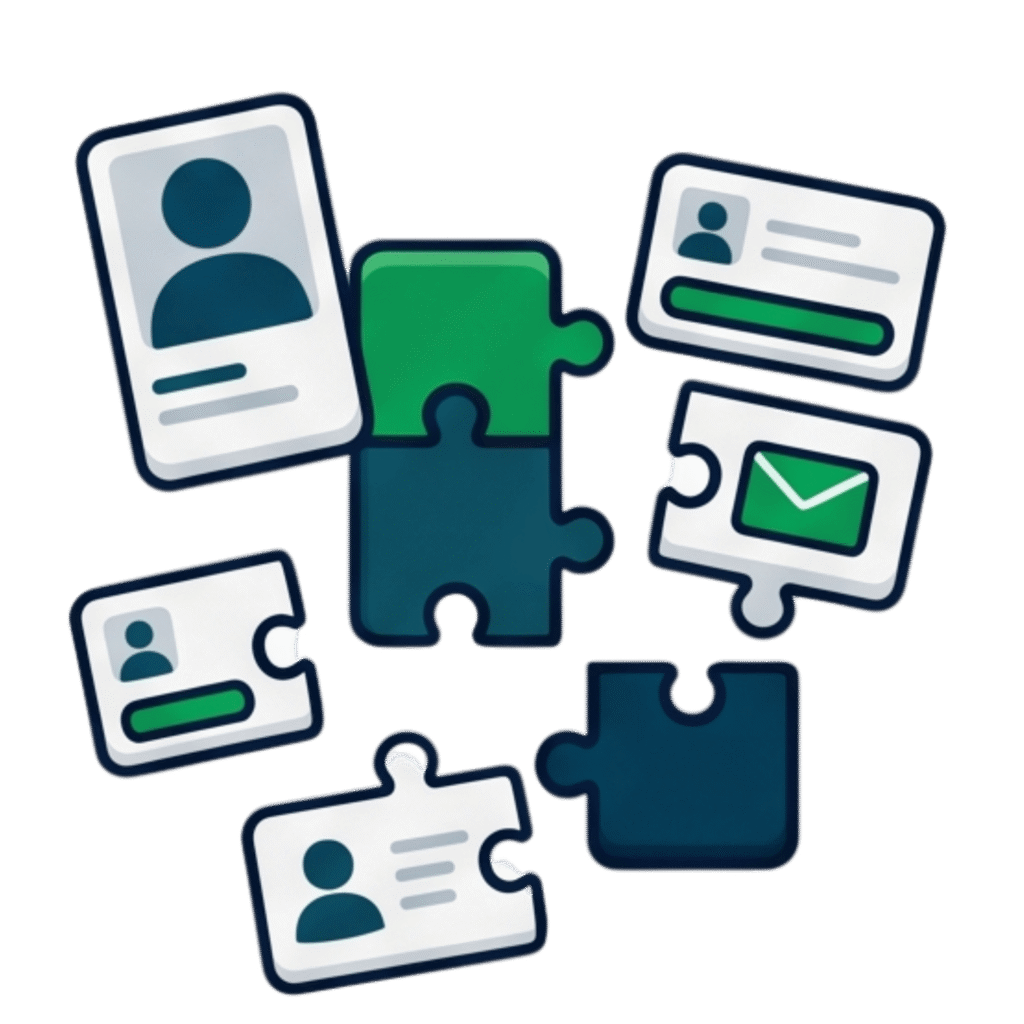
Traditional IAM platforms, identity providers, and privileged access management tools rarely share reliable identity and access management data.
The Solution
Access governance built for operational control
Identity and access management becomes easier to govern when access decisions, workforce identity controls, and compliance processes move with clarity instead of constant rework.
Access stays visible
Centralized identity governance and administration improves oversight across workforce access, user management, and privileged access environments.
Reviews move faster
Access governance processes become easier to track and validate, reducing delays across identity verification and security compliance workflows.
Identity scales cleanly
Modern IAM programs support secure access, adaptive access controls, and non-human identity security without adding operational complexity.
GET A FREE CONSULTATION
+65 60288048
Every month of fragmented identity governance increases audit pressure, access risk, and operational drag across critical systems. Tighten control before instability becomes routine.
Core Capablities
IAM architecture with enforced control
Identity and access management environments are structured through centralized workflows, policy orchestration, and governed identity operations across cloud, workforce, and privileged systems.
Policy orchestration
Conditional access rules, role mappings, and identity governance logic are managed through standardized IAM workflows and approval paths.
Identity lifecycle management
User identities, credential management, and workforce identity updates are coordinated through controlled provisioning and deprovisioning processes.
Privileged access operations
Governance and privileged access management workflows are aligned with session management, access verification, and policy enforcement controls.
Engagement Model
Structured IAM delivery from alignment to handoff
The engagement moves through defined operational stages covering identity planning, IAM execution, governance coordination, and transition management.
Align
Map access priorities
Identity and access management scope is reviewed. Access patterns, governance gaps, and operational ownership are clarified.
Activate
Embed delivery workflows
IAM workflows are configured with delivery teams. User access controls, review cycles, and operational routines are established.
Stabilize
Run governed operations
Identity governance processes are monitored through structured workflows. Access changes and escalation paths follow defined controls.
Transition
Transfer operational ownership
Documentation, management tools, and IAM procedures are handed to internal teams. Support workflows and responsibilities are finalized.
Our Tech Stack
Trusted IAM platforms built for enterprise stability
We work across modern identity and access management platforms, including Ping Identity, workforce identity cloud systems, privileged access tools, and centralized identity security infrastructure.

Ping Identity

PingFederate

PingOne

Microsoft Entra ID (Azure AD)

Okta

CyberArk
FAQs
Operational questions teams ask before rollout
These answers cover how IAM governance engagements are structured, integrated, managed, and transitioned across enterprise identity environments.
How does IAM governance integrate with existing identity platforms?
IAM governance services are typically integrated into existing identity and access management platforms using standard identity protocols such as SAML, OAuth, OIDC, LDAP, and SCIM. Integrations often include Ping Identity, Microsoft Entra ID, Okta, CyberArk, and workforce identity cloud environments. Existing user access structures, role mappings, and authentication flows are reviewed before operational workflows are aligned within broader cloud engineering environments.

Who manages access policies and governance workflows internally?
Operational ownership is usually shared between internal identity management teams, security stakeholders, and access managers. Governance workflows, approval paths, access reviews, and privileged access management responsibilities are documented early to avoid overlapping controls or unmanaged user access decisions that can create cloud security compliance risks.
Can IAM governance support hybrid and multi-cloud environments?
Yes. Modern IAM and identity governance frameworks are commonly structured across cloud, on-premise, and hybrid infrastructure. Access governance policies, identity verification controls, and authentication workflows are coordinated across workforce identity systems, identity servers, and access to cloud environments through centralized identity management practices.
How are non-human identities and API access handled?
Machine identities, service accounts, API access management, and secrets management processes are governed separately from workforce identity controls. Access privileges, credential rotation workflows, and session management policies are typically aligned with non-human identity security standards and operational review procedures.
What does onboarding usually involve?
Initial onboarding focuses on identity and access management discovery, infrastructure reviews, access patterns, identity providers, and governance workflows. Existing IAM vendors, access management tools, and identity security platforms are assessed before operational ownership, escalation paths, and implementation sequencing are defined.