DevOps Engineering Provider
DevOps Engineering Services
Eliminate deployment delays, infrastructure drift, and costly downtime with automated DevOps systems built for faster releases, stable operations, and scalable growth.
The Challenge
Scaling delivery without breaking infrastructure
DevOps teams often inherit fragmented automation, inconsistent infrastructure management, and software delivery pipelines that fail under growing operational complexity.
Manual deployment drift
Infrastructure as code standards break down across AWS, Kubernetes, and Terraform environments, creating inconsistent deploy processes between teams.
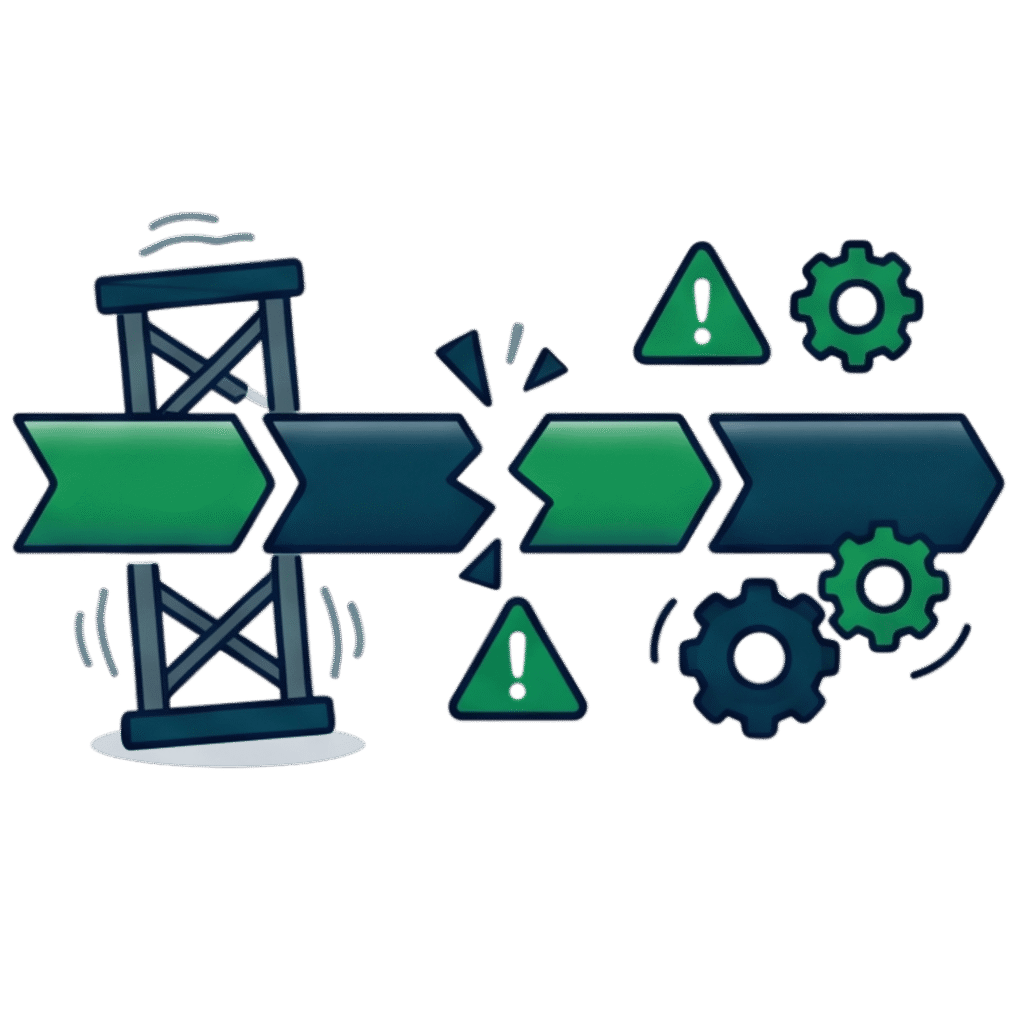
Pipeline instability
Continuous integration workflows fail unpredictably under growing software development demands, delaying releases and increasing QA overhead.
Toolchain fragmentation
Development and operations teams rely on disconnected automation, configuration management, and observability tools with overlapping ownership.
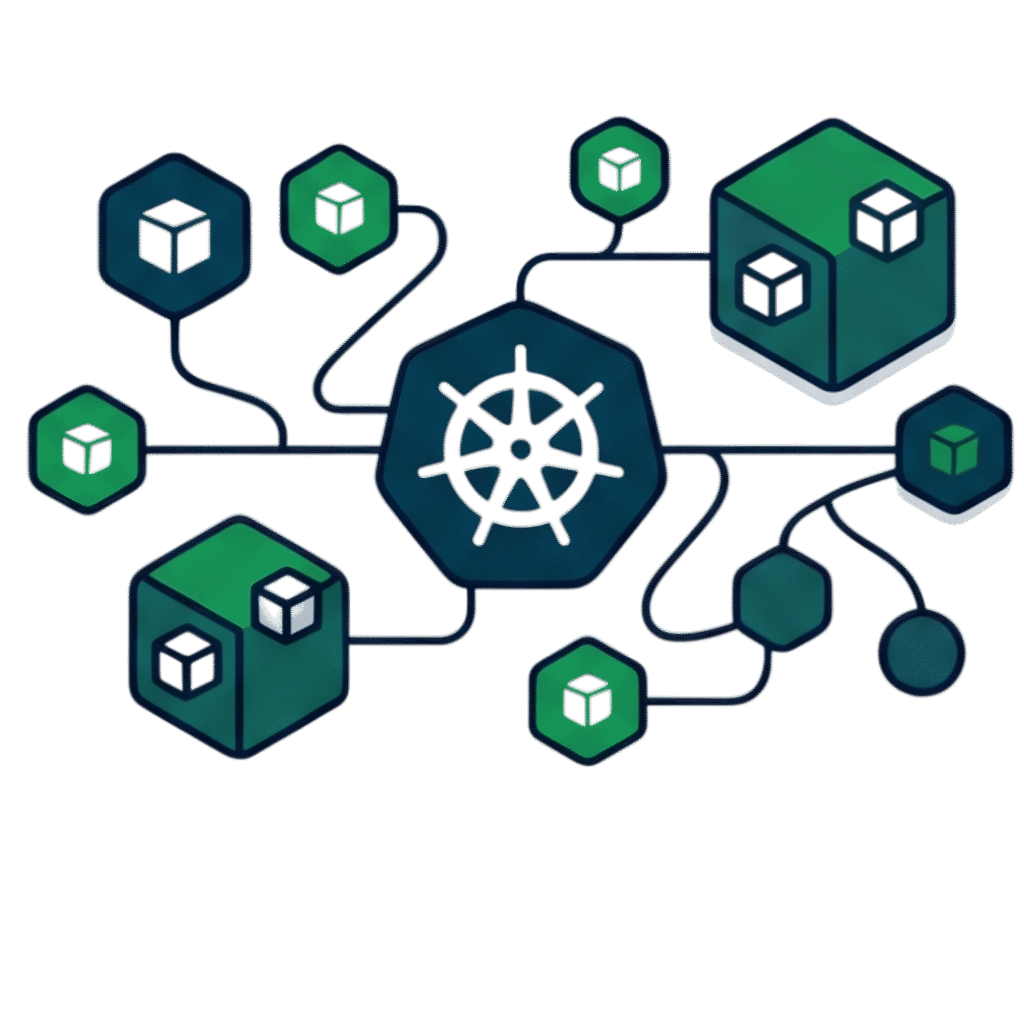
Kubernetes sprawl
Containerization environments expand faster than platform engineering governance, creating unmanaged clusters, rising costs, and operational blind spots.
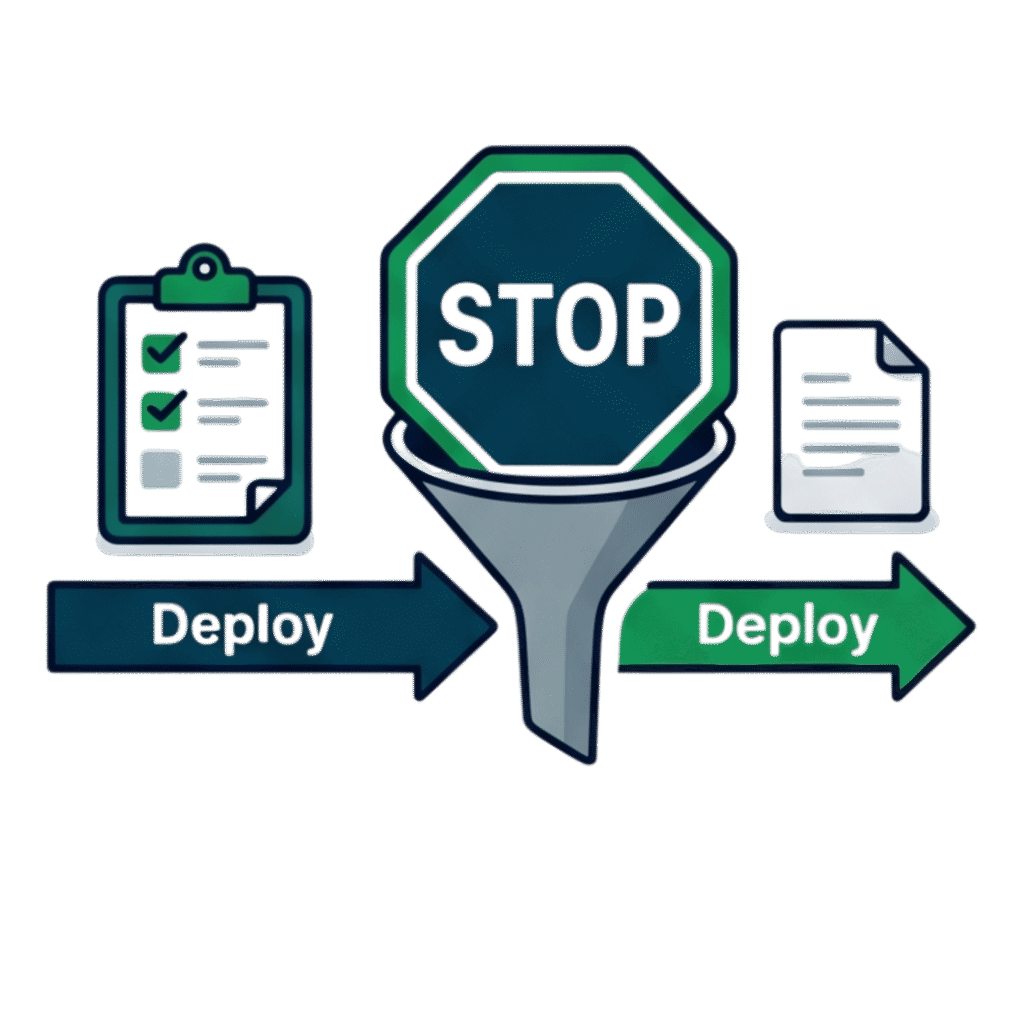
Compliance bottlenecks
Security and compliance reviews slow software delivery when DevOps practices, access controls, and infrastructure changes lack consistency.
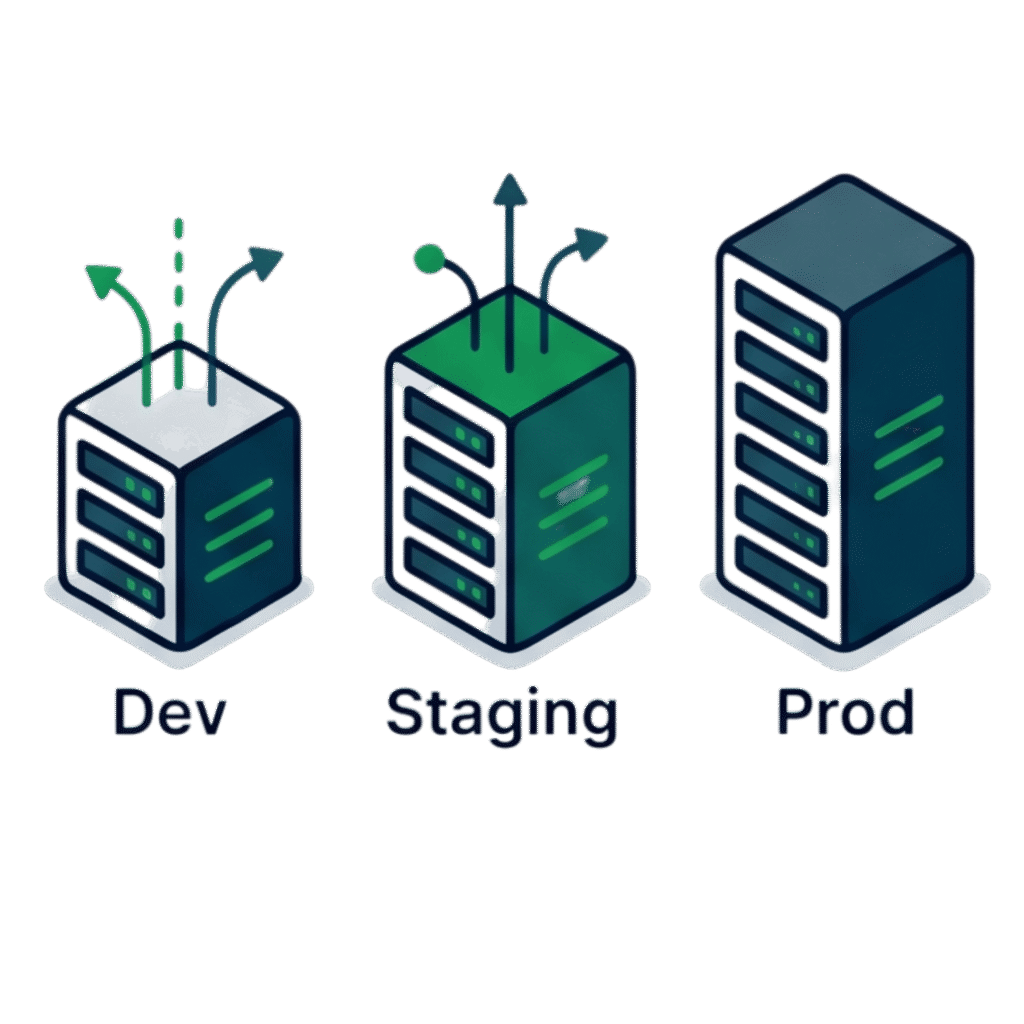
Environment inconsistency
Development, staging, and production environments drift over time, causing deployment conflicts, failed testing, and unreliable software releases.
The Solution
Build faster without losing operational control
DevOps engineering services create the structure, consistency, and delivery confidence needed to keep software moving without increasing operational strain.
Stable release velocity
Continuous integration and automation reduce deployment friction across cloud infrastructure, helping DevOps teams maintain reliable software delivery.
Unified infrastructure control
Platform engineering and infrastructure as code improve consistency across AWS, Kubernetes, and multi-environment infrastructure management.
Clear operational visibility
DevOps consulting services strengthen observability, deployment tracking, and operational accountability across software delivery workflows.
GET A FREE CONSULTATION
+65 60288048
Deployment instability, rising infrastructure costs, and fragmented DevOps workflows compound faster than most teams can recover. Move now to regain operational control and delivery confidence.
Core Capablities
Engineered for reliable software delivery
DevOps engineering services standardize infrastructure, deployment workflows, and operational processes through structured automation, platform engineering, and infrastructure management practices.
Infrastructure orchestration
Infrastructure as code manages AWS, Azure, and Kubernetes environments through version-controlled provisioning and configuration management workflows.
CI/CD pipeline management
Continuous integration and continuous delivery pipelines automate testing, validation, and deploy processes across software development environments.
Platform operations
Platform engineering centralizes tooling, access controls, observability, and cloud infrastructure management across applications and services.
Engagement Model
Structured delivery from alignment to handoff
DevOps engineering services progress through defined operational stages with shared workflows, active coordination, and clear transition points across delivery.
Align
Assess operational workflows
DevOps teams review infrastructure, software delivery workflows, and deployment patterns. Priorities, ownership, and delivery scope are defined.
Activate
Embed delivery operations
DevOps engineers integrate into planning and development workflows. Automation, infrastructure management, and deployment routines are activated.
Stabilize
Standardize release management
Platform engineering practices, communication rhythms, and operational reviews are formalized. Teams manage deploy cycles through shared processes.
Transition
Transfer operational ownership
Documentation, infrastructure as code workflows, and escalation paths are finalized. Internal team members assume day-to-day operational control.
Our Tech Stack
Trusted platforms for resilient DevOps operations
Our DevOps engineering services use proven cloud infrastructure, automation, containerization, and observability technologies trusted for secure software delivery, infrastructure management, and large-scale operational reliability.

Kubernetes

Docker

Terraform

Jenkins

Ansible

Amazon Web Services (AWS)
FAQs
Operational questions teams ask before rollout
These FAQs cover delivery workflows, infrastructure management, onboarding, governance, and how DevOps engineering services integrate into existing operations.
How do DevOps engineering services integrate with internal teams?
DevOps engineers work alongside software developers, operations teams, and infrastructure stakeholders through shared delivery workflows and planning cycles. Collaboration typically includes sprint participation, deployment coordination, infrastructure reviews, and operational reporting. Teams applying site reliability engineering principles often define ownership boundaries, escalation paths, and approval processes early to avoid delivery gaps or duplicated responsibilities.
Can the engagement work with existing AWS or Kubernetes environments?
Yes. DevOps engineering services are usually integrated into existing AWS, Azure, Kubernetes, and hybrid cloud infrastructure without requiring full rebuilds. Current deployment workflows, infrastructure as code repositories, observability tooling, and CI/CD pipelines are reviewed first, then aligned with operational standards and governance requirements already in place using approaches similar to modern Kubernetes deployment strategies.
Who manages infrastructure and deployment ownership during delivery?
Operational ownership is shared based on the engagement structure. Some organizations retain full infrastructure management control internally, while others assign deployment operations, automation workflows, or platform engineering responsibilities to the embedded DevOps team. Access levels, approval controls, and release ownership are documented before implementation begins.
How are infrastructure changes tracked and governed?
Infrastructure as code workflows are typically managed through version-controlled repositories with approval policies, audit history, and deployment validation processes. Configuration changes, environment updates, and deployment actions follow documented governance procedures to support security reviews, quality assurance, and operational traceability across software delivery environments.
What does onboarding usually involve?
Onboarding starts with operational discovery sessions covering infrastructure management, deployment workflows, tooling, dependencies, and communication structures. DevOps consulting teams review repositories, CI/CD pipelines, cloud infrastructure, and current software delivery practices before defining implementation priorities, delivery cadence, and operational responsibilities.